The Growing Pains of Paradise: Challenges for Hawaii’s Flower Growers

The Growing Pains of Paradise: Challenges for Hawaii’s Commercial Tropical Flower Growers
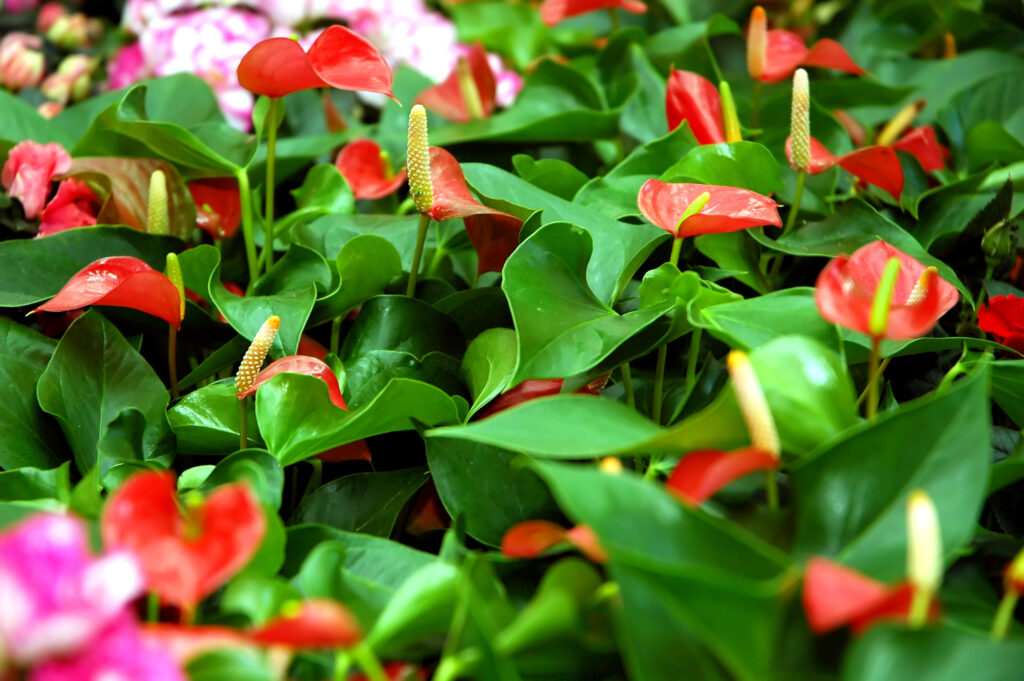
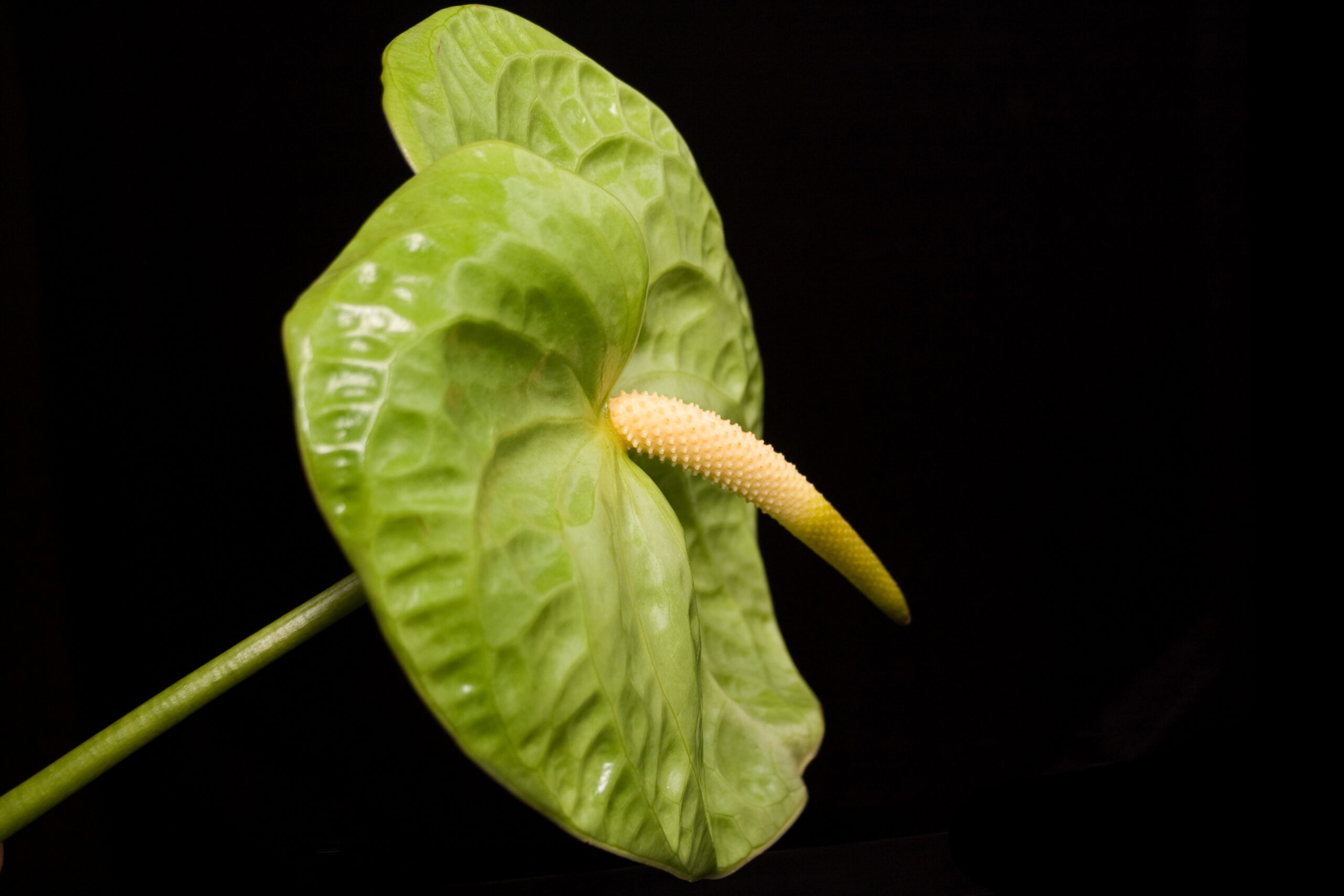
Hawaii’s tropical flowers — anthuriums, orchids, heliconias, and proteas — are iconic symbols of aloha, powering leis, weddings, events, and exports. Yet commercial growers face mounting pressures that have shrunk the industry over the past two decades.
Global competition tops the list. Lower labor and land costs in Colombia, Ecuador, Thailand, and elsewhere have flooded the U.S. market with cheaper imports. Hawaii’s floriculture sector was valued at just $43.9 million in 2023, down sharply from $83.4 million in 2000. Today, roughly 90% of lei flowers are imported.
Labor shortages and generational change create another major obstacle. Many farms are still run by third-generation growers, but younger family members often choose less physically demanding careers. Tight margins and the demanding nature of the work make it hard to attract and retain workers. The COVID-19 pandemic exposed these vulnerabilities when events canceled and labor became even scarcer.
Pests, diseases, and quarantine rules add constant stress. Strict export requirements mean flowers must undergo costly disinfestation treatments, yet shipments are still rejected at times. Nematodes and invasive insects reduce yields and quality, while effective, environmentally sound control options remain limited.
Logistics and environment pose further hurdles. Hawaii’s remote location drives up air-freight cost. Unpredictable weather, high input costs, and past volcanic impacts on key growing areas compound the difficulties.
Shifting consumer tastes toward temperate flowers and fluctuating tourism demand add pressure. Despite these challenges, dedicated growers continue innovating in pest management, quality, and agritourism while advocating for greater support to sustain this vital part of Hawaii’s agricultural and cultural heritage.